

.jpg)
.jpg)
.jpg)
.jpg)


.jpg)
.jpg)



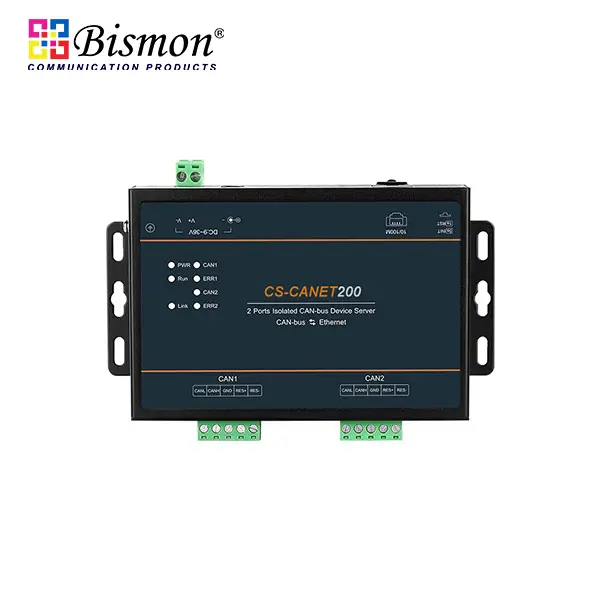
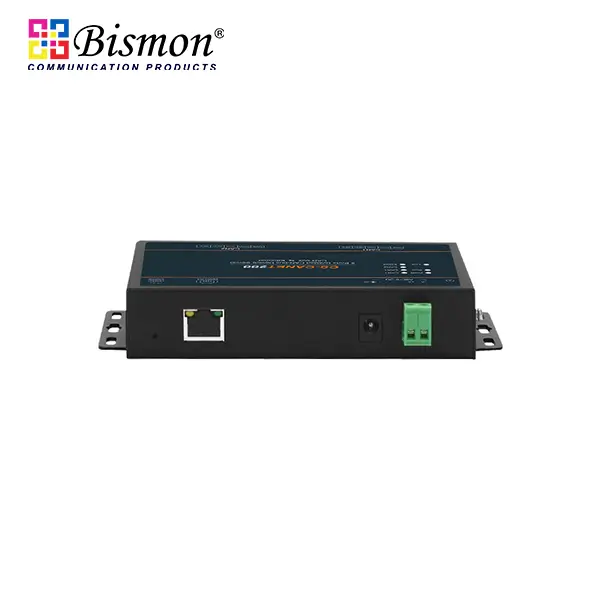
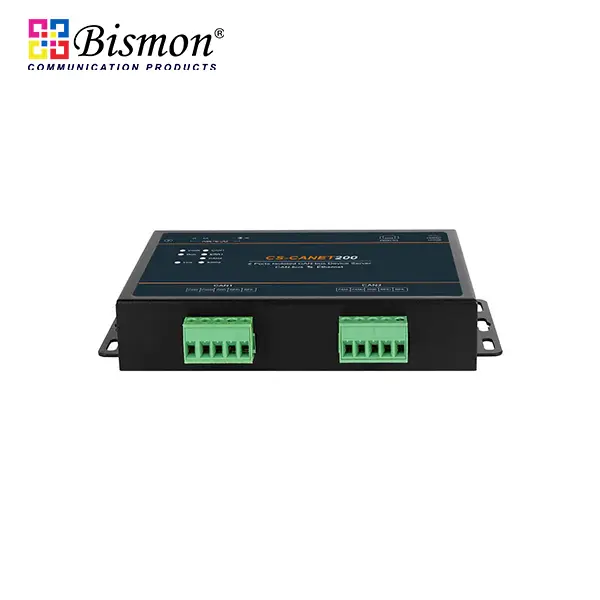
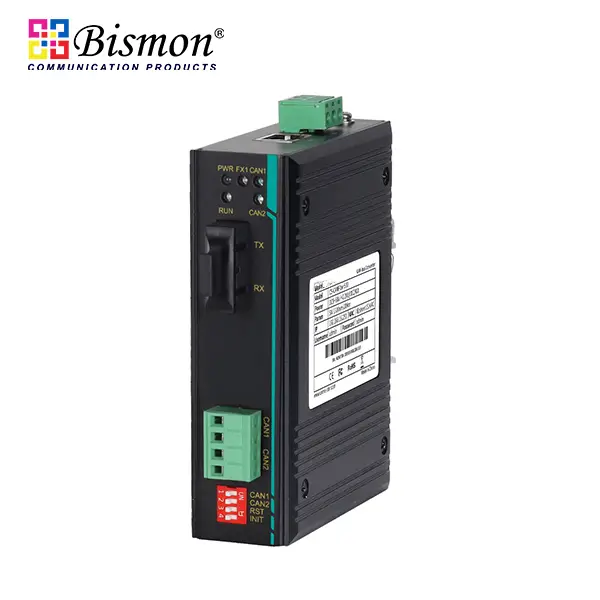
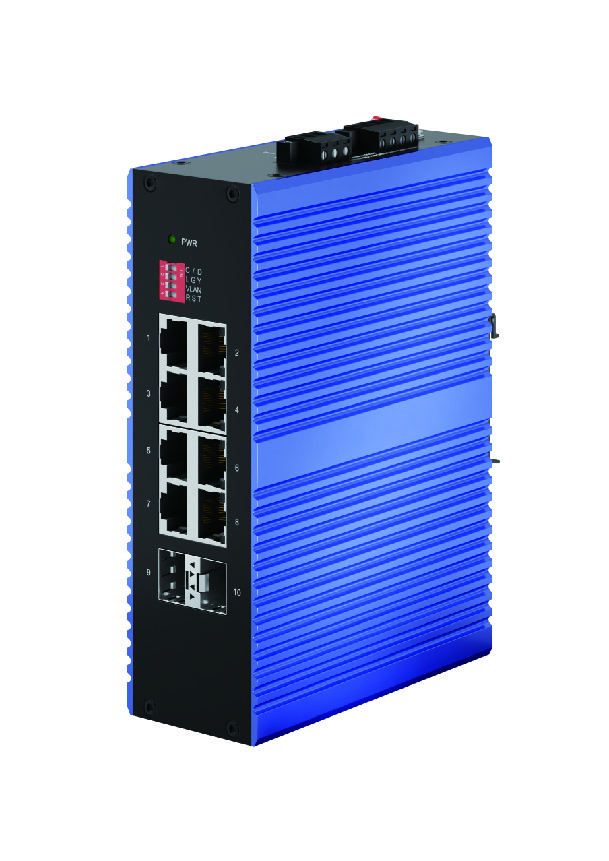
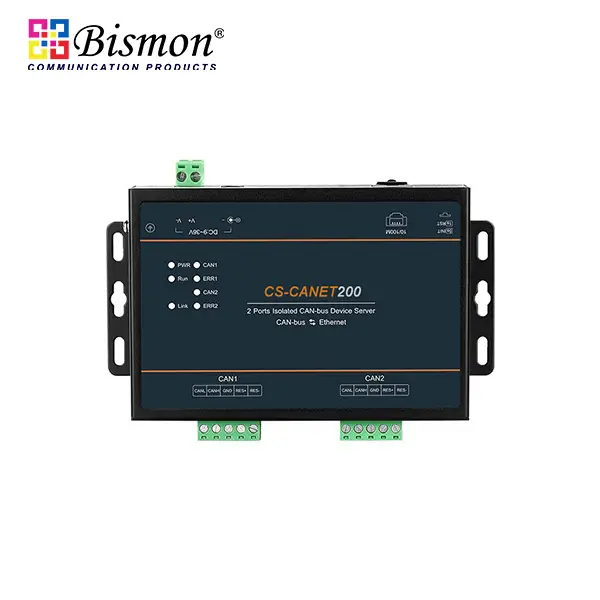
2 CAN-bus to 1x100M Ethernet Wall Mount CAN Server
เครื่องแปลงสัญญาณ CAN-bus เป็น Ethernet รุ่น CS-CANET200 รองรับ CAN-bus จำนวน 2 พอร์ต และ Ethernet 10/100 Mbps จำนวน 1 พอร์ต รองรับการสื่อสารผ่าน TCP/IP, UDP, Modbus และ WebSocket พร้อมส่งข้อมูลระหว่างอุปกรณ์ CAN-bus ผ่านเครือข่าย Ethernet เหมาะสำหรับระบบควบคุมอุตสาหกรรม PLC, SCADA และ IoT รองรับไฟเลี้ยง DC 9?36V และอุณหภูมิ -40 C ถึง +85 C

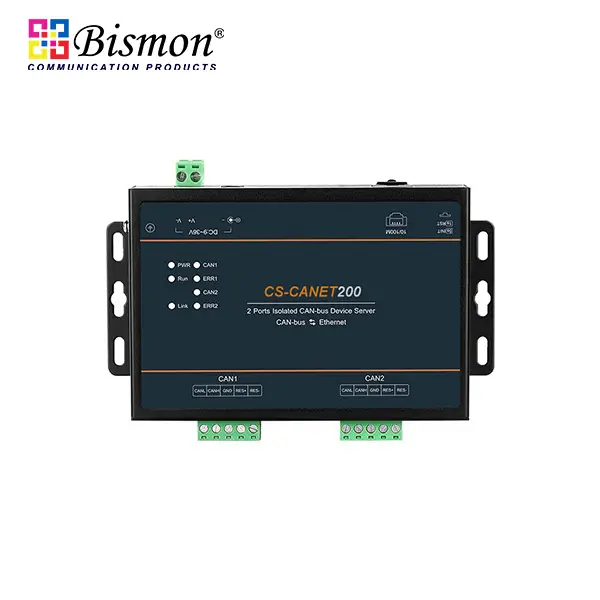
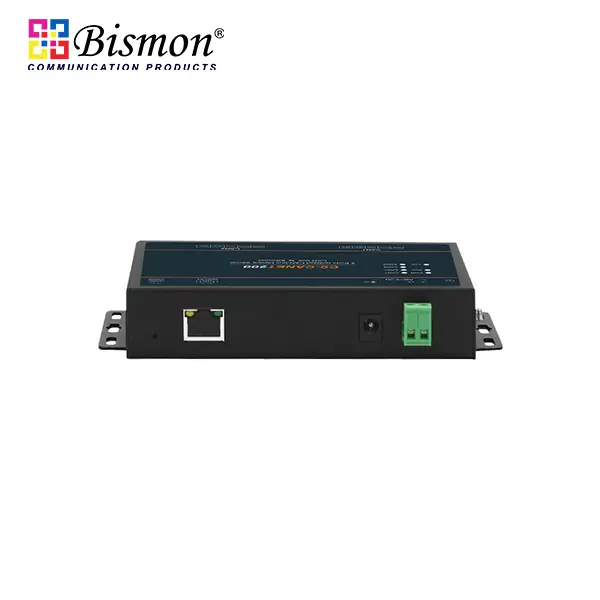
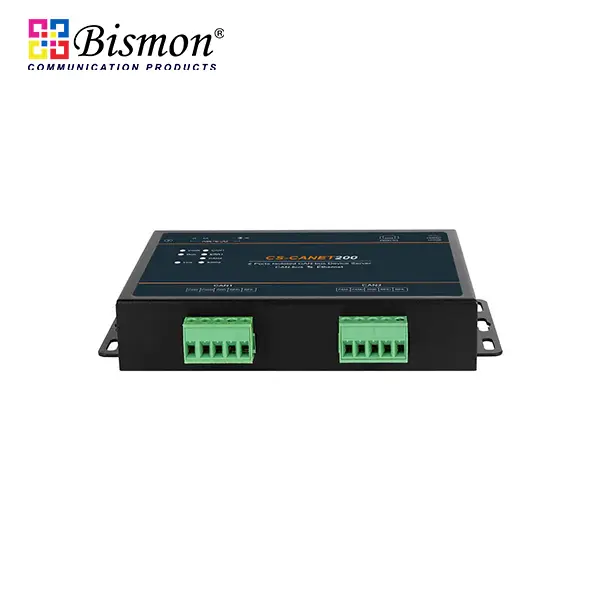
Part number : B1-CS-CANET200
Brand : BISMON
Price : 15,336.00 Baht / pcs
Delivery time : 20 Days
Minimum order quantity : 1 set
Size : 162x95x29 mm
Warranty : 3 Year

(Online ชำระด้วยบัตรเครดิต ไม่มีชาร์จ)
B1-CS-CANET200 is a 2-port isolated CAN-to-Ethernet wall-mount CAN server featuring a 32-bit Arm Cortex-M7 core with a clock speed up to 400MHz and an external hardware watchdog design. Power supply, Ethernet ports, and CAN interfaces all feature high-level ESD, surge, and EFT protection, ensuring strong anti-interference capabilities. Specifically designed for industrial users, it enables bidirectional transparent transmission between CAN-bus and Ethernet networks, effectively extending the reach of CAN-bus systems. This product supports 1 x 100M copper port, 2 x CAN ports. Each CAN interface is isolated from others with 2kVAC isolation voltage. The communication baud rate for each CAN port (5Kbps to 1000kbps) can be freely configured, enabling interconnection of CAN networks with different communication baud rates. It integrates a TCP/IP protocol stack internally, enabling bidirectional transparent transmission between two CAN channels and Ethernet. Supports CAN trunking functionality to extend network capacity, increase node count, and extend communication distance. Supports unlimited cascading for ultra-long-distance communication. Powerful ID filtering functionality allows selection of permitted or prohibited ID ranges, enabling selective data forwarding. This significantly reduces bus load on channels, enhances data isolation, and achieves efficient data utilization.
The industrial-grade CAN server supports web-based configuration for multiple network management functions, including CAN/network operating modes, port information, network addresses, user passwords, system information, and system administration. It supports various conversion modes such as UDP/UDP Multicast, TCP Client/Server, Modbus TCP Slave, Relay, Pair Connection Master/Slave, HTTPD Client, and WebSocket Client, enabling CAN-to-Ethernet or CAN-to-Modbus TCP protocol conversion. At the core component level, the product employs industrial-grade quality design solutions. It offers numerous advantages including wide temperature and voltage ranges, lightning strike resistance, electromagnetic interference immunity, high reliability, and high performance, making it suitable for operation in harsh environments. It can be used in fire alarms, industrial monitoring, traffic management, meteorology, water treatment, environmental monitoring, coal mining, petroleum, chemical processing, and new energy sectors. It facilitates remote field data acquisition, remote monitoring, and field control, making it an indispensable industrial communication product for the development of the Industrial Internet of Things.
Product Features
- Support a 32-bit ARM Cortex-M7 core operating at up to 400MHz;
- CAN port supports selectable baud rates from 5kbps to 1000kbps;
- Support filtering of standard CAN frame IDs and extended frame IDs;
- Support UDP and UDP Multicast modes, enabling fast and efficient point-to-point, point-to-multipoint, or multipoint-to-multipoint communication via UDP protocol;
- Support TCP Client/Server mode, establishing session connections via TCP protocol with support for up to 4 concurrent sessions;
- Support Pair Connection Master/Slave mode for simplified device pairing;
- Support Modbus TCP Slave mode, enabling Modbus TCP to CAN bus protocol conversion via read/write command mapping;
- Support Relay Mode for data forwarding between CAN ports;
- Support HTTPD Client mode for GET or POST operations with HTTPD servers;
- Support WebSocket Client mode for bidirectional communication with WebSocket servers;
- Support multiple packet segmentation mechanisms, converting CAN data into Ethernet packets based on data length or time to meet diverse network real-time requirements;
- Support registration packets and heartbeat packets for connection verification and status monitoring;
- Support bus port transmission and reception frame statistics, along with network connection information statistics;
- Support user management with different permission levels;
- Support CAN port online restart, device restart, factory reset, and firmware upgrade.